The first dental visit for a baby sets the tone for years of oral health. It is more than a quick peek at tiny teeth; it is a chance to build trust, catch developmental issues early, and give parents practical tools that prevent problems later. I have sat across from hundreds of new parents who arrive with a mix of pride and worry, a diaper bag full of necessities, and a thousand questions. The common thread is simple: they want to do right by their child. A thoughtful, well-planned first appointment with a pediatric dentist helps them do exactly that.
When to schedule the first visit and why it matters
Most pediatric dentistry professional bodies advise booking the first pediatric dental visit by the first birthday or within six months of the first tooth erupting. For many babies, that means somewhere between 6 and 12 months of age. Waiting until the toddler years can mean missing the quiet early signs of enamel defects, tongue and lip tie issues, feeding-related decay, or delayed eruption patterns. The earlier a children’s dentist sees your baby, the simpler and more preventive the care can be.
Early visits also give you a personalized plan for daily home care. Babies change quickly. What worked at 8 months with two lower incisors will not make sense at 16 months with eight teeth and a love of raisins. A kids dentistry specialist adapts recommendations to your child’s stage and temperament, not just their age.
What a pediatric dentist does differently
A pediatric dental clinic is not a mini version of an adult practice. The team is trained to handle growth and development, behavior shaping, and special health considerations. A board certified pediatric dentist completes two to three additional years of residency focused on infants, toddlers, children, and teens, including training for children with anxiety, autism spectrum disorder, sensory processing differences, and complex medical conditions. That extra training shows up in a dozen small ways you will notice at a kids dental office: the knee-to-knee exam posture for infants, the careful choice of language, and the way the room is organized to reduce overwhelm.
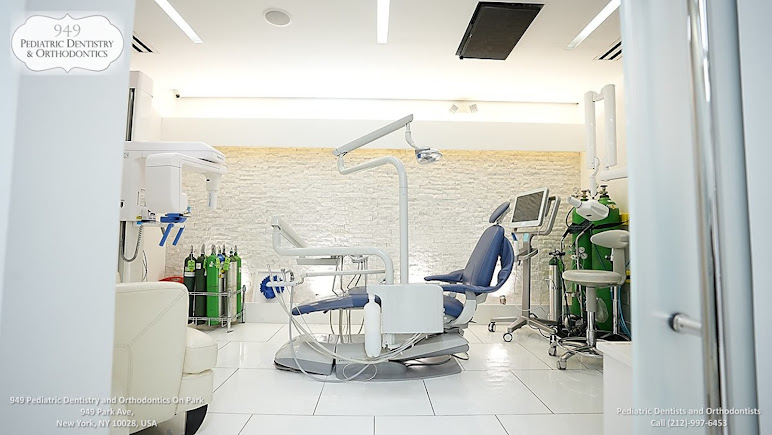
The goal is always to be a gentle dentist for kids. In practice, that means a slower pace, tell-show-do explanations, and equipment sized for small mouths. A child friendly dentist will not ask a baby to “be brave” or sit still for long stretches. Instead, they shape cooperation through play and routine. If your child needs advanced care later, a pediatric dentist for anxious kids can use options like nitrous oxide or refer for sedation dentistry when appropriate, but for a baby’s first visit, the focus stays on comfort and prevention.
Choosing the right practice
Most parents start with a search for a pediatric dentist near me, then read pediatric dentist reviews, ask friends, or check with their pediatrician. Beyond convenience, look for signs that the practice truly matches your family’s needs. If weekends are your best time, a weekend pediatric dentist or a pediatric dentist open on Saturday can make care more sustainable. If your child has special health needs, confirm the team’s experience with a pediatric dentist for special needs children. If you have Medicaid or a specific plan, verify that the pediatric dentist that takes insurance or the pediatric dentist that takes Medicaid is accepting new patients.
Cost matters, and preventive care should be accessible. Many practices are transparent about fees for a pediatric dentist consultation, fluoride varnish, and cleaning. If you need flexibility, ask about pediatric dentist payment plans or options for a no insurance pediatric dentist. A good children’s dental clinic knows that consistent care prevents emergencies, and they work to remove financial barriers when possible.
What to expect before you arrive
A well-run pediatric dental office will email or text new patient forms. Completing them in advance shortens the visit and helps the dentist tailor care. You will be asked about medical history, feeding patterns, fluoride exposure, habits like thumb sucking, and any current concerns. Bring the names of medications, the baby’s pediatrician, and a list of questions. If you prefer a kid friendly dentist who uses specific materials or a holistic approach, raise that early so the team can explain their philosophy. Some practices offer biologic pediatric dentist options or pediatric laser dentistry for frenectomy evaluations, though those services are not automatically part of a first visit.
Plan the appointment time around naps. Late morning often works well after a snack. Bring a familiar blanket or toy. If a particular stroller position, sling, or song calms your baby, tell the team. Small comfort cues are powerful.
A visit from the reception door to the goodbye wave
Families arrive with many expectations. The first few minutes set the tone. A children’s dental office should greet you promptly, confirm paperwork, and explain what will happen in ordinary words. If you have a toddler and a baby, ask where siblings can sit or play so you are not juggling during the exam. Kid friendly dentist teams are used to strollers, diaper changes, and quick feeds mid-visit. You should not feel rushed for attending to your child’s needs.
The first encounter in the operatory usually starts with a conversation rather than tools. The dentist will ask about teething, feeding, pacifiers, brushing routines, and your main concerns. Healthy skepticism is welcome. If a friend’s baby had silver caps or a traumatic experience, say so. The dentist’s job is to make your child’s care plan make sense in your home, not just in the clinic.
The knee-to-knee exam and what the dentist actually checks
For infants and young toddlers, the knee-to-knee exam is standard. You sit facing the pediatric dentist, your knees touching. Your baby sits on your lap facing you, then lies back so their head rests on the dentist’s lap. This position lets your child see you and hold your hands while the dentist has a clear view. It is quick, gentle, and remarkably effective.
During the exam, the dentist looks for eruption sequence, spacing, enamel quality, and any early white spot lesions that signal demineralization. They will evaluate frenums for tongue tie or lip tie if feeding difficulties or speech concerns exist. Cheeks and gums are checked for ulcers, candidiasis, or trauma from teething toys. The bite is observed, even in this early stage, to spot crossbites or functional patterns that might suggest future alignment issues. If your baby had a fall and you worried about a chipped tooth, the dentist will assess for mobility, cracking, and injury to the gum or underlying tooth bud. Pediatric dentists are trained to triage these injuries and, when necessary, refer immediately to an emergency pediatric dentist for more urgent care.
Expect a brief toothbrush cleaning. A professional polishing is usually unnecessary at this age. If visible plaque or food debris is present, the hygienist or dentist removes it with hand instruments or a cloth. The goal is to establish a gentle routine and model technique, not to accomplish a perfect shine.
Fluoride, x-rays, and other procedures in the first year
Parents often ask whether fluoride varnish will be applied at the first pediatric dental visit. The answer depends on caries risk. If your baby has visible enamel defects, frequent nighttime feedings, sugary snacks, or a sibling with decay, the dentist may recommend a quick fluoride treatment. Varnish takes seconds to apply and tastes mildly sweet. It works by hardening enamel and reversing early white spot changes. A pediatric dentist for fluoride treatment tailors the schedule, often every three to six months for high-risk children.
Dental x rays are not routine for infants. A pediatric dentist for x rays usually waits until there are contacts between back teeth or a specific concern, like a suspected injury or developmental anomaly. If x rays are necessary, the equipment is adapted for small mouths, and shielding is standard.
Sealants are not relevant yet, since first permanent molars erupt around age 6. Orthodontic questions can wait, though the dentist may note habits, spacing, or growth patterns that could pediatric dentist NY influence tooth alignment later. If you already suspect a habit is affecting bite, ask about timing for a pediatric dentist for thumb sucking problems. Often, habit counseling starts now, while formal appliances wait until older years.
The heart of the visit: coaching that fits your home
Great pediatric dental care is practical. You might leave with a small toothbrush, a pea-sized sample of fluoride toothpaste, and a list of habits to try. The real value is the demonstration and conversation about how to make brushing work in real life. Every child has a tipping point. I have seen parents succeed with a 90-second toothbrushing song, a knee-to-knee team approach at home, or a burrito wrap with a soft towel for a wiggly minute. You are not wrestling your child. You are holding them snug to keep tools safe and build a consistent routine.
Feeding guidance is mixed territory for many families, especially with night nursing or bottles. The dentist should speak respectfully and offer achievable steps. If your child frequently falls asleep with milk pooling in the mouth, wiping teeth and gums afterward helps. Transitioning to open cups around 12 months reduces prolonged exposure to sugars in sippy cups. For snacks, sticky foods like fruit rolls adhere to grooves far longer than their nutritional label suggests. Swap in cheese, cucumber, or nuts if age appropriate. The conversation is not about perfection, it is about reducing frequency and stickiness of sugars.
Managing anxious moments and building trust
Babies read the room. If the parent is tense, they escalate faster. A children’s dentist near me who actively coaches parents usually earns better cooperation from kids. You will hear phrases like, “We are going to count your teeth,” instead of “This won’t hurt.” The team may sing, mirror your child’s sounds, or offer a finger puppet to tap the toothbrush. Not every baby smiles through the exam, and that is fine. A brief cry is typical when a mouth is opened for a new sensation. The metric of success is not a perfectly quiet visit; it is a safe, complete exam with minimal stress.
For children with pronounced sensory sensitivities or communication differences, a pediatric dentist for autism or a pediatric dentist for special needs can plan shorter first visits, dim the lights, use weighted blankets, or schedule desensitization sessions. Tell the scheduler what works at medical visits, whether your child prefers deep pressure, or which songs calm them. Small details matter.
What if something is wrong?
Sometimes the first visit uncovers a concern. Early caries can look like chalky white lines near the gumline of upper front teeth. If present, the dentist will rank risk, intensify fluoride varnish frequency, and give clear home care coaching. If a cavity requires treatment, options will be explained openly. Small lesions might be arrested with silver diamine fluoride. Larger ones may need a resin restoration. Extensive decay occasionally leads to crowns on baby teeth. For a very young child who cannot tolerate treatment awake, a sedation pediatric dentist or hospital-based care might be safest. The decision balances urgency, cooperation, and long-term outcomes.
Trauma is another scenario. Babies topple. If a tooth is chipped or displaced, the dentist assesses the vitality of the tooth, mobility, and root development. Most primary tooth injuries are managed conservatively, with follow-up exams and x rays at intervals. A true dental emergency, like an avulsed permanent tooth in an older child, requires immediate attention from an emergency pediatric dentist near me. For infants and toddlers, urgent issues are rarer, but a same day pediatric dentist can still provide peace of mind.
Practical scheduling and frequency after the first visit
Assuming a low-risk profile, most pediatric dentists suggest checkups every six months. This cadence allows the team to catch new lesions early, apply fluoride varnish as needed, and adjust home routines. If risk is higher due to enamel defects, diet, or hygiene challenges, visits may be every three months for a period. A pediatric dentist for routine checkups builds a timeline that adapts as your child grows. At some point between ages 4 and 6, the dentist will recommend dental sealants for first Visit this site permanent molars, a step that can cut cavity risk significantly. Before that, consistency in brushing and diet does most of the heavy lifting.
Parents often ask about to-do lists. Here is a tight, practical one for the first year of care.
- Book the first dentist for babies visit by the first birthday or six months after the first tooth. Brush twice daily with a rice grain smear of fluoride toothpaste once teeth erupt. Wipe teeth after nighttime feeds when feasible, and avoid constant sipping on milk or juice. Ask about fluoride varnish based on your child’s risk and local water fluoridation. Schedule follow-ups at intervals recommended by your pediatric dentist.
Language matters more than you think
The way a dentist frames care helps a child accept it. Painless dentist for kids is not a phrase we say in a room, but it is a guiding principle. We do not promise zero sensation, we promise honesty, speed, and comfort. Instead of “This will not hurt,” you might hear, “You will feel me tickle this tooth.” We do not “pull” teeth, we “wiggle” them when needed. These small choices reduce anticipatory anxiety later. That is one reason many families choose a family and pediatric dentist or a dedicated kids dentist. The vocabulary and pace protect future cooperation when the stakes increase in later years.
Payment, insurance, and access
Money questions can feel awkward, yet they directly affect health. An affordable pediatric dentist should be able to quote typical charges for a new patient exam, cleaning when appropriate, fluoride varnish, and x rays if needed. If you are uninsured, ask about a discount plan or cash fee schedule. If you have coverage, verify your pediatric dentist that takes insurance before the visit, including whether you need to assign the dentist as a primary provider. Medicaid policies vary by state; a pediatric dentist that takes Medicaid can tell you what is covered at what intervals. If access is the barrier, look for a pediatric walk in dentist or a pediatric dentist accepting new patients who offers early morning or evening hours.
While not every area has a 24 hour pediatric dentist, many practices hold time for urgent issues. If you suspect a true emergency, call. After-hours messages often route to a provider who can guide you to urgent care, provide home advice, or open the office if necessary. A weekend pediatric dentist open on Sunday or Saturday can be a relief for working parents and reduces ER visits for dental concerns that are better handled chairside.
Edge cases worth asking about
A few scenarios come up repeatedly during year-one visits.
- Night nursing and decay risk: Breast milk alone is not inherently cariogenic. The risk comes from prolonged exposure to sugars on the teeth, especially when combined with other carbohydrates. If night nursing is part of your routine, focus on wiping teeth after feeds when feasible and brushing thoroughly before bedtime. Your dentist can help you find a realistic pattern. Fluoride in water: Not all communities have fluoridated water. If yours does not, the dentist might recommend fluoride varnish more frequently or discuss supplements with your pediatrician. Over-the-counter fluoride toothpaste remains the backbone of daily care once teeth erupt. Tongue or lip tie: If latch pain, poor weight gain, or speech articulation concerns exist, the dentist may perform a tongue tie evaluation or a lip tie evaluation. Not every tight frenum needs release. The decision weighs function, not just appearance. Pediatric laser dentistry can offer precise frenectomy when indicated, but careful assessment and collaboration with lactation consultants or speech therapists leads to better outcomes. Teething gels and home remedies: Many over-the-counter gels contain benzocaine or ingredients that are not recommended for infants. A chilled teether, silicone bristles, or a clean, cold washcloth are safer. If a product claims instant relief, read the label closely and ask your pediatric dentist. Whitening for teens and beyond: Parents of older siblings often ask about cosmetic care. A pediatric dentist for teeth whitening for teens has protocols for safe, supervised use once all permanent teeth have erupted, not for young children.
How the first visit influences the next five years
The first appointment serves as a rehearsal for future cooperation. A child who experiences kind, predictable care at 10 months is less likely to panic at 3 years when noises get louder. Parents who leave with specific strategies are more likely to keep plaque off teeth, which prevents cavities that would otherwise require fillings or crowns on baby teeth. The calculus is simple: five minutes twice a day at home plus two short checkups per year is a tiny investment compared with the time, cost, and stress of restorative dentistry for a preschooler.
Moreover, this early relationship means you have a trusted voice when new issues arise. If a front tooth darkens after a fall, you can text a photo and get clear instructions. If a molar erupts with deep grooves at age 6, you already have a plan for pediatric dentist for dental sealants. If crowding appears at 7 or 8, your pediatric dentist for braces referrals connects you with an orthodontist at the appropriate time.
A brief story that captures the value
A mother brought her 11-month-old son, Liam, after he bit through a silicone straw and startled himself. She was embarrassed, assuming the visit would be a scolding. Instead, we did a knee-to-knee exam, found no injury, and noticed early white spots along his upper incisors. Liam fell asleep often with a bottle. We applied fluoride varnish, showed mom a simple wipe-and-brush routine, and scheduled a three-month follow-up.
Three months later, the white spots had faded. By 18 months, his front teeth looked glossy. The family had switched to open cups during the day, and they picked a quick bedtime brushing song that Liam loved. What changed was not a heroic procedure, it was a set of small, consistent habits coached early. That is the quiet power of a timely first dentist for children visit.
Preparing your questions
You might feel hesitant to ask what sounds like a small detail. Ask anyway. The best pediatric dentist for preventive care wants your questions because they reveal the daily obstacles you face. Useful questions include whether your water is fluoridated, how much toothpaste to use at different ages, which snacks are surprisingly sticky, and what to do if your child clamps their mouth shut. If your child seems unusually sensitive in the mouth or has feeding therapy elsewhere, ask how to coordinate care across providers. If you need a pediatric dentist for dental emergencies plan, request a printed sheet with after-hours instructions and signs that warrant a call.
A note on continuity
Parents sometimes wonder when to switch from a baby dentist to a general dentist. There is no single rule. Many families prefer a family and pediatric dentist who treats everyone under one roof. Others keep their child in a pediatric dental practice through adolescence because of the environment and specialized behavior management. If your child needs extensive care, a pediatric dentist for root canal on a baby tooth, a pediatric dentist for tooth extraction, or a pediatric dentist for space maintainers, the continuity inside a children’s dental specialist office can make complex sequences smoother. For healthy teens with routine needs, transitioning to a general dentist when they are ready can work well. Your dentist will help you time the handoff.
If you are still on the fence
It is tempting to wait until a problem appears. Teeth look fine, your baby is squirmy, and life is busy. But the first pediatric dental visit is short, practical, and preventive by design. If a practice offers a pediatric dentist consultation visit, take it. The cost is modest compared with the value of spotting early changes, getting tailored coaching, and building a calm association with the dental chair. If you are anxious about your child’s reaction, call ahead and ask to meet the team or tour the children’s dental clinic. A short hello before the formal appointment can make the actual visit smoother.
The step-by-step flow of a successful first visit
- Arrival and welcome, confirm forms, and share your top concerns in your own words. Conversation about feeding, habits, fluoride exposure, and home care routines. Knee-to-knee exam with you present, quick toothbrush cleaning, and targeted fluoride varnish if indicated. Personalized coaching for brushing positions, toothpaste amounts, snack patterns, and soothing strategies. Clear follow-up plan with timing for the next pediatric dentist for dental checkup and contact info for questions or urgent concerns.
The long view
Baby teeth matter. They hold space for permanent teeth, allow normal speech development, and make nutrition easier. They are also the training ground for lifelong habits and trust in healthcare. A first visit with a child friendly dentist near me who respects your family’s reality gives you a roadmap, reduces risk, and turns the dental office into a familiar place rather than a source of fear. Whether you choose a pediatric dental office known as the best pediatric dentist near me or a quiet, affordable pediatric dentist who fits your schedule, the essential ingredients are the same: a supportive team, evidence-based guidance, and a plan that works at home.
If you have been meaning to schedule but hesitated, pick a time that fits your child’s rhythm, gather your questions, and go. You will leave knowing more about your child’s mouth than you imagined, and with small, doable steps that make a lasting difference.
📍 Location: New York, NY
📞 Phone: +12129976453
🌐 Follow us: